

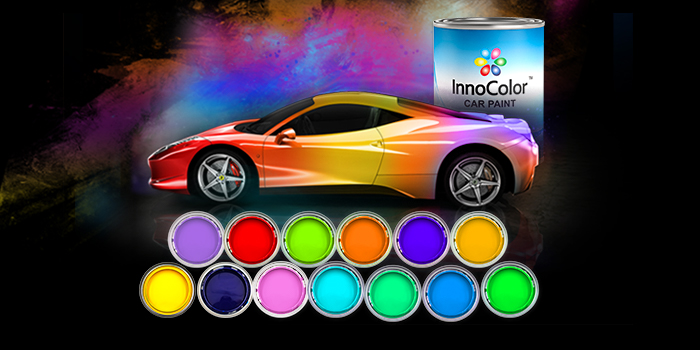
Metallic car paint contains tiny metallic particles, such as aluminum flakes or powders, that give the paint a glittery or sparkling effect. When light hits the metallic particles, it reflects and refracts in different directions, creating a sparkling effect that gives the car a unique look.
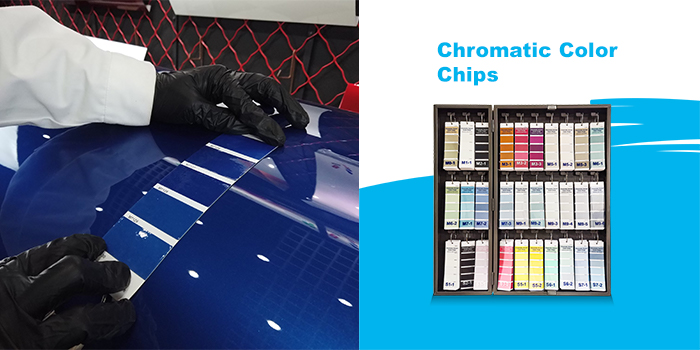
On the other hand, non-metallic car paint does not contain metallic particles. Instead, it uses pigments made from organic materials or inorganic compounds like iron oxide or chromium oxide. Non-metallic paints tend to have a solid, opaque appearance and are often used for solid colors like red, blue, and black.
In terms of application, metallic paints can be more challenging to apply than non-metallic paints because of the need for even distribution of the metallic particles. They may also require more coats to achieve a uniform finish. Non-metallic paints, on the other hand, are generally easier to apply and require fewer coats to achieve a smooth finish.
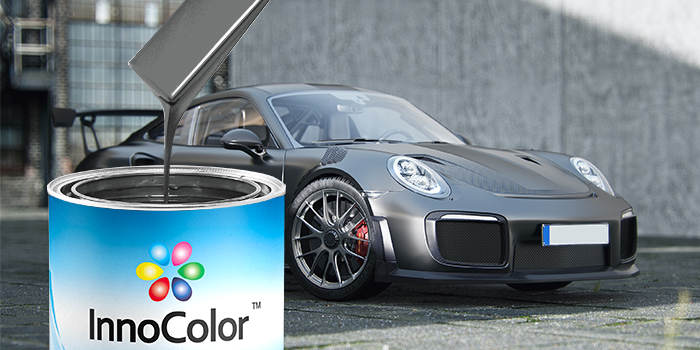
Overall, the choice between metallic and non-metallic car paint comes down to personal preference and the desired aesthetic effect. Metallic paints tend to be more expensive than non-metallic paints due to the cost of the metallic pigments, but they can add a unique sparkle and depth to a car's finish. Non-metallic paints are a more traditional option and can provide a solid, classic look.